CATL Unveils 6-Minute EV Charging Battery and 1,500 km Range Technology in Major Leap for Electric Mobility



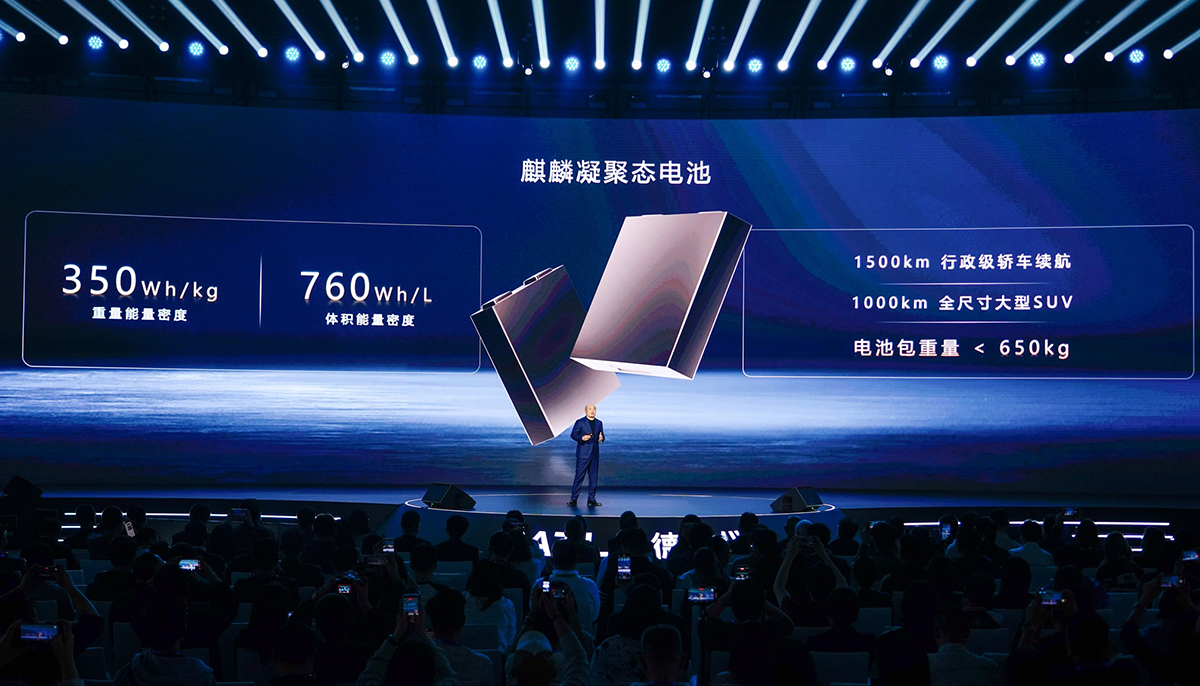
Chinese battery giant CATL has unveiled a major leap in electric vehicle technology, introducing a new generation of batteries that promise ultra-fast charging times and significantly extended driving ranges, intensifying the global race to dominate next-generation energy storage systems.
At its “Super Tech Day” event in Beijing, the company showcased its third-generation Shenxing lithium iron phosphate (LFP) battery, which it says can charge from 10% to 80% in just 3 minutes and 44 seconds, and reach up to 90% in around 6 minutes and 27 seconds under optimal conditions.


Even in extreme cold temperatures of minus 30 degrees Celsius, the battery is claimed to achieve near-full charge in under 10 minutes. CATL attributes these improvements to reduced internal resistance, redesigned thermal management systems, and expanded cooling structures designed to control heat buildup during high-speed charging.

The company also introduced an upgraded version of its Qilin battery platform, known for its high energy density design. The latest iteration reportedly achieves up to 350 Wh/kg at the cell level and enables driving ranges of up to 1,500 kilometres for sedans on a single charge.
The battery incorporates aviation-grade structural materials, a high-nickel cathode, and a silicon-carbon anode, pushing energy density to new levels in mass production battery systems.

Alongside lithium-based advancements, CATL also announced progress in sodium-ion battery technology, confirming its transition from laboratory development to large-scale manufacturing.
The company said sodium-ion cells are expected to play a key role in applications requiring resilience in extreme temperatures and lower dependency on critical raw materials such as lithium, cobalt, and nickel.
In addition to cell-level innovations, CATL revealed plans for an integrated energy ecosystem that combines home charging, public fast charging, and battery swapping within a unified infrastructure network.
The company said it aims to build thousands of such integrated stations across China by 2026, designed to reduce energy conversion losses and improve convenience for both passenger electric vehicles and commercial fleets.
The announcements come amid intensifying competition in the global EV battery sector, where CATL and rivals such as BYD are investing heavily in next-generation chemistries and charging technologies.
Industry analysts note that while the performance claims represent significant technological progress, real-world outcomes will depend on charging infrastructure, grid capacity, and vehicle integration.






China’s August EV Best-Sellers Include Several Models Sold in Nepal
Mitsubishi Unveils All-New Pajero, Bringing Back the Iconic 4WD